

Dial Before You Dig compliance is one of the most important factors in preventing costly delays, shutdowns and safety risks on civil projects, especially for horizontal directional drilling in Sydney, where underground services are often dense and unpredictable.
This guide is for civil contractors, project managers and site supervisors who rely on HDD to keep works moving on schedule, particularly when working in road reserves, council zones and high-traffic metro areas.
It matters because even one overlooked DBYD step can lead to utility strikes, stop-work notices, rework and tender variations, all of which can blow out budgets and push handover dates back.
At Daley Directional Drilling, we will walk you through the most common DBYD compliance mistakes that stall HDD projects and explain exactly how they disrupt timelines, trade sequencing and overall civil delivery.
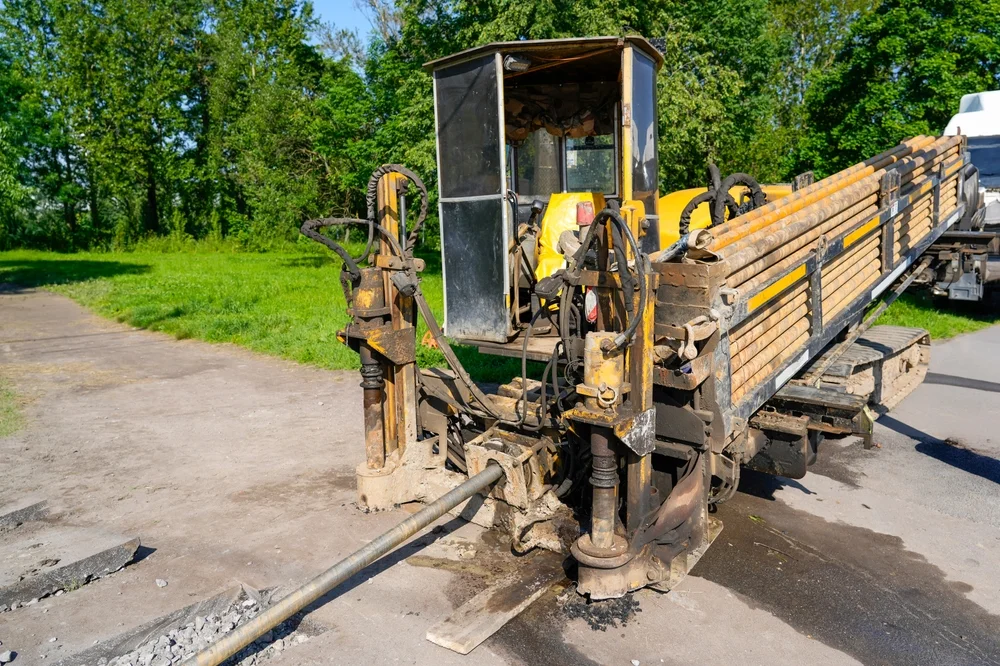
Even though DBYD is widely understood across civil construction in Australia, many project delays still come back to the same issue: DBYD is treated like paperwork instead of a planning process. When service plans are rushed, incomplete, or incorrectly interpreted, the HDD scope becomes vulnerable before the drill even hits the ground.
This section breaks down the most frequent DBYD errors we see causing delays on HDD jobs, particularly in high-density service corridors. These mistakes are rarely “minor”. In HDD, a small compliance gap can trigger a full stoppage, redesign, or emergency response.
One of the biggest hidden risks in HDD projects is relying on old information. It is common for teams to assume previous DBYD results, old drawings, or design packs still reflect the current reality underground. But in Australia, service networks are constantly being repaired, upgraded, rerouted and expanded, especially in metro areas.
Even where asset plans are accurate, DBYD responses still often include disclaimers. Many assets are shown approximately, and depth information is not guaranteed. If you treat DBYD plans as the final truth rather than a guide, you put the job at risk from day one.
What this mistake often looks like onsite:
Why it delays HDD work
Once drilling begins, unexpected service findings or conflicts force a pause. The team shifts from production to investigation, and timelines start slipping immediately.
Another compliance mistake that stalls HDD projects is running a DBYD enquiry that does not cover the full scope area. Many enquiries focus only on entry and exit pits, but HDD works across an underground corridor. The services you must avoid are not limited to the pits; they sit along the entire bore path.
If the DBYD polygon is too small, drawn incorrectly, or missing nearby easements and setbacks, your service search results may look complete but still be incomplete in reality.
Common DBYD enquiry errors include:
Why it delays HDD work
If a service provider is missed, their plans are not returned. That means risk controls are missing, and once the issue is discovered onsite, DBYD often needs to be rerun, causing avoidable delays.
DBYD is not the finish line. It is the first step. Once you receive DBYD plans, the project still needs to coordinate with asset owners when required. This is especially important near high-risk assets like high-voltage power, high-pressure gas, trunk water mains, or major comms routes.
Many civil programmes stall because asset owner coordination happens too late. The drilling crew is booked, traffic control is scheduled and then the job is delayed while waiting for approvals, attendance requirements, or written confirmation.
Where coordination commonly breaks down:
Why it delays HDD work
Asset owners work to their own schedules. If coordination is delayed, your drilling programme becomes dependent on last-minute availability, which rarely goes well in live civil environments.
DBYD compliance mistakes do not just delay drilling. They disrupt the entire civil programme. HDD commonly sits on the critical path because it enables later-stage works such as electrical conduits, communications ducting, drainage connections, reinstatement and final surfacing. When HDD is stalled, multiple trades can become blocked.
This section explains how DBYD compliance gaps trigger larger project impacts, including emergency shutdowns, stop-work notices, tender variations and flow-on delays across multi-trade sites. In most cases, the time lost is far greater than the time that would have been required to do DBYD properly in the first place.
Utility strikes are one of the most damaging consequences of DBYD failures. While many people assume the main risk is physical damage, the real disruption comes from the safety response and compliance process that follows.
Depending on the asset type, a strike can cause immediate shutdowns, evacuation procedures and full site stoppages. These events are not small inconveniences. They often become formal incidents requiring reporting, investigations and re-approval before work can resume.
Utility strikes can lead to:
Why it blows out timelines
Even if repairs are quick, it may take days to regain approvals and safely restart works, especially on government or principal contractor-managed sites.
Even when a utility strike does not occur, DBYD compliance issues can still cause stoppages. If services are found in unexpected positions or conditions, the HDD alignment may need to change. That means the project is no longer executing the original plan, which often triggers redesign and approval cycles.
Stop-work notices may also apply when compliance cannot be proven, service plans are unclear, or risk controls are insufficient.
Common consequences include:
Why timelines suffer
On civil sites, documentation and approvals often take longer than physical works. A one-day drilling delay can become a week of admin rescheduling and tender negotiations.
HDD works are rarely isolated. Civil sites typically run on sequencing, and HDD can sit between early works and final reinstatement. When HDD delays occur, it impacts downstream trades and causes rescheduling headaches across the site.
In Australian civil projects, even a short HDD delay can cause multiple contractors to lose their allocated windows.
Multi-trade impacts can include:
Why it becomes expensive fast
Flow-on delays create rebooking fees, downtime, overtime requirements and out-of-sequence work that adds inefficiency to the programme. The project loses momentum, and recovery becomes harder each day.
Dial Before You Dig compliance is not just an admin step. It is a critical control that protects safety, budgets and civil project timelines. When DBYD processes fail, whether through outdated asset assumptions, incorrect service searches, or late coordination with utility owners, HDD projects can quickly stall and affect the entire site programme.
At Daley Directional Drilling, we have learned that the smoothest HDD jobs are always the ones where DBYD is treated as a genuine planning step, not a formality. Getting compliance right from the beginning reduces shutdown risk, prevents stop-work events, avoids costly variations and helps keep every trade on schedule from start to finish.


