

Directional drilling is often chosen because it allows underground services to be installed with minimal surface disruption. However, the success of the project depends on planning, communication and expertise. For property owners and project managers considering directional drilling in Sydney, asking the right questions before work begins can prevent delays, unexpected costs and site damage. At Daley Directional Drilling, we regularly work with clients who want clarity and confidence before drilling starts, and those conversations often make the biggest difference to project outcomes.
Understanding what will happen below the surface, how risks are managed and what responsibilities are covered helps ensure your drilling project runs smoothly from start to finish.
Before any drilling equipment arrives on site, it’s important to have a clear understanding of how the work will be carried out and what factors influence the chosen drilling approach. Directional drilling is a precise, highly technical process that takes place largely out of sight, making assumptions risky. No two sites are identical: ground conditions, access limitations and underground services all influence the final approach.
By asking detailed questions early, you gain clear visibility into how the work will be planned and executed, ensuring scope, timing and expectations are defined before drilling begins. This level of clarity helps prevent avoidable delays, reduces the risk of cost variations and ensures the drilling contractor is working from a well-considered plan rather than making adjustments on the fly.
The planned drill path defines where the bore will travel, how deep it will run and how it will safely navigate around services, foundations and unstable ground. A well-designed drill path is the result of careful planning, site knowledge and technical expertise. A professional contractor should be able to clearly explain:
Identifying underground services is one of the most critical safety and compliance steps in directional drilling. Power, water, gas, sewer and communications services may be present even when there are no visible indicators on the surface. Despite thorough investigations, undocumented, redundant or inaccurately mapped services can still exist. Remember, a clear and cautious approach to unexpected services protects your property, nearby infrastructure and everyone involved in the project. You should ask:
Ground conditions determine how the drilling will be performed. Soil type, rock hardness, fill material and groundwater all influence equipment selection, drilling speed and overall accuracy. These conditions can also impact cost and timeframes if they differ from initial expectations. This conversation helps explain why pricing and timelines can vary significantly between properties, even for similar-looking projects. A knowledgeable contractor should discuss:
Entry and exit points determine where drilling begins and ends, as well as how machinery is positioned on site. These locations affect access requirements, surface disturbance and the extent of reinstatement needed once drilling is complete. Clear planning around entry and exit points reduces surprises and allows you to prepare the site properly before work begins. Clarify:
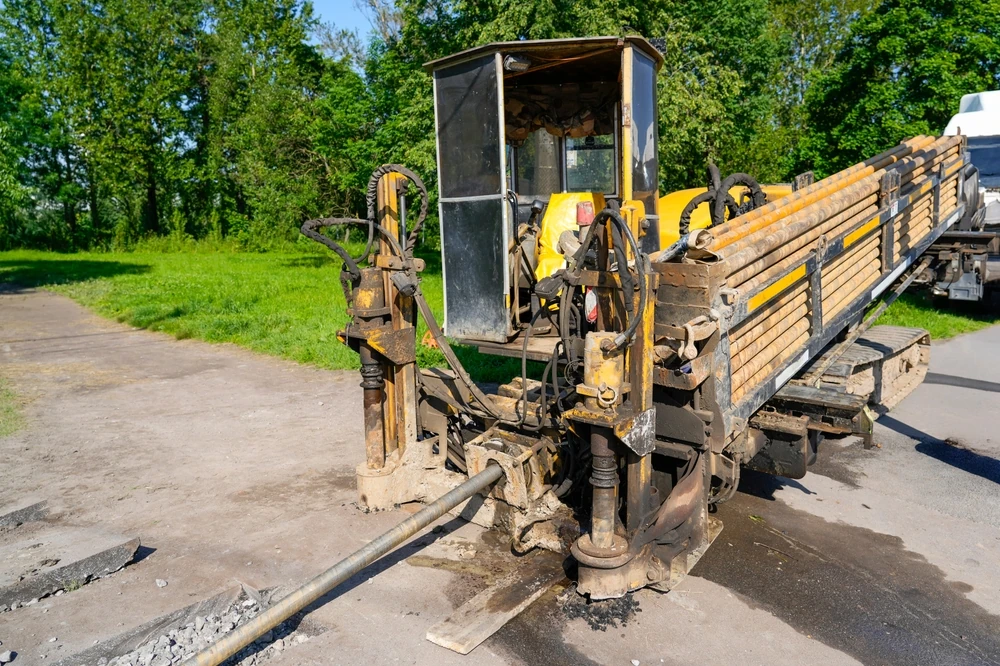
Directional drilling requires specialised machinery, and the size of the rig depends on bore length, diameter and ground conditions. Understanding what equipment will be used helps ensure the site can safely accommodate the works without delays. This information allows access issues to be resolved early rather than causing hold-ups on the day of drilling. Important points to confirm include the following:
While the drilling itself may be completed in a relatively short timeframe, the overall process includes site setup, drilling, installation of services and reinstatement. Each stage contributes to the total duration of the project. Understanding the full timeline helps you plan around the works and minimise disruption to daily activities. Ask for clarity on:
Even with thorough planning, directional drilling projects can encounter variables that affect timelines or budgets. A transparent contractor should be upfront about these risks rather than presenting overly optimistic estimates. Knowing the risks early allows you to budget and schedule more realistically, with fewer surprises as the project progresses. These may include:
While the technical side of directional drilling is critical, project success also depends on clearly defined responsibilities, safety processes and completion standards. Many issues arise not from the bore itself, but from uncertainty around permits, preparation, waste management and reinstatement expectations. Addressing these areas upfront reduces compliance risk and prevents confusion once work is underway.
By asking detailed questions about safety obligations, documentation and post-drilling responsibilities, you ensure that everyone involved understands their role. This clarity protects you as the property owner or project manager and ensures the site is left safe, compliant and in proper condition once drilling is complete.
Permits and service locating are not optional; they are legal and safety requirements that must be completed before any drilling begins. Responsibility for these tasks should be clearly defined, as oversights can result in work stoppages, fines or serious safety incidents. Clear responsibility in this area avoids last-minute delays and reduces your exposure to regulatory or legal issues. You should confirm:
Even with an experienced drilling crew, some preparation may be required from the property owner to ensure the site is safe, accessible and ready for work. Understanding these requirements in advance prevents day-one delays and allows the drilling crew to mobilise efficiently and start work as scheduled. This may include:
Directional drilling produces drilling fluid and slurry that must be carefully controlled to prevent mess, contamination or environmental damage. Poor slurry management can impact surrounding surfaces, stormwater systems and neighbouring properties. A well-defined plan is a strong indicator of professionalism and site discipline. Ask how the contractor will:
Reinstatement is often one of the most misunderstood parts of a drilling project. Without clear agreements, assumptions about what will be restored can lead to dissatisfaction once the work is complete. Clear expectations around reinstatement help ensure the site is returned to an acceptable condition and prevent disputes after drilling is finished. Clarify:
As-built documentation provides a permanent record of where the bore was actually installed, which is invaluable for future construction, maintenance or service upgrades. Without this information, future works may involve unnecessary investigation or risk. This documentation can save significant time and cost down the track. Confirm whether you will receive:
Even the most carefully planned projects can encounter unexpected ground conditions, obstructions or services. What matters most is how these situations are managed and communicated. Clear procedures for handling unforeseen conditions help maintain trust, control and transparency throughout the project. A reliable contractor should clearly explain:
Asking the right questions before starting a directional drilling project gives you clarity, confidence and control. From understanding the drill path to knowing how reinstatement is handled, these discussions reduce risk, support smoother delivery and ensure the project is managed professionally from start to finish. At Daley Directional Drilling, we believe informed clients make better project partners, and we’re always happy to walk through the details so there are no surprises above or below ground.


