

Directional drilling is widely used because it allows underground services to be installed with minimal surface disruption. However, while the method is highly precise, its success is heavily influenced by what lies beneath the surface. For property owners and project managers considering directional drilling in Sydney, understanding how different ground conditions affect drilling performance is essential for realistic timelines, accurate costing and reduced risk. At Daley Directional Drilling, we assess subsurface conditions before work begins, because ground behaviour often determines how smoothly a bore progresses.
Ground conditions directly influence how a bore behaves during drilling, from steering responsiveness to bore stability and fluid control. While some soils allow predictable progress, others require constant adjustment, specialised tooling or changes to the drill path mid-project. Understanding these challenges helps explain why experience and preparation matter long before the drill rig arrives on site.
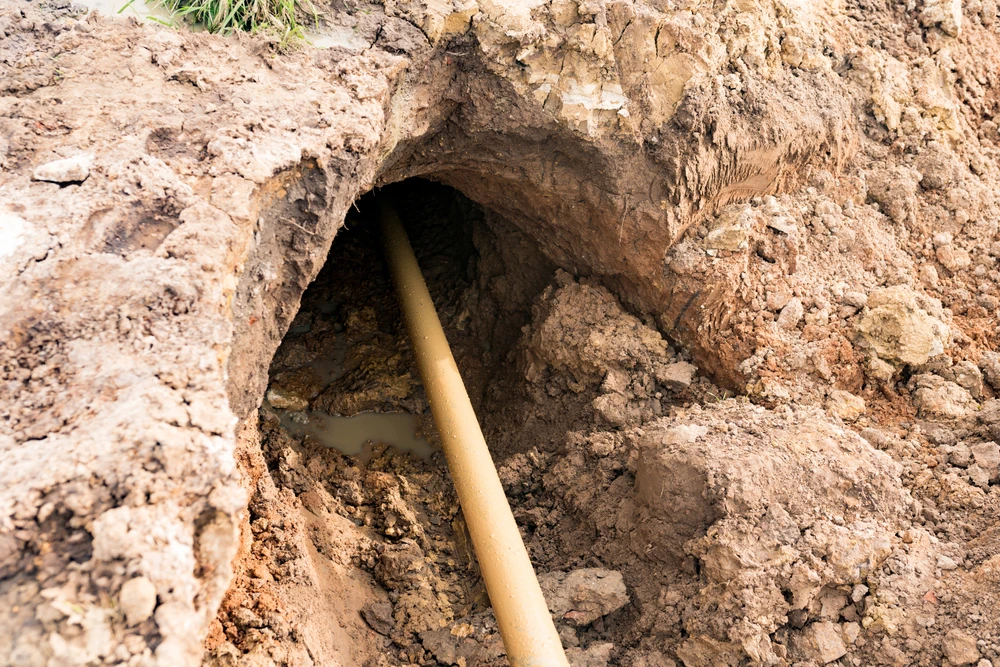
Ground conditions are one of the most unpredictable variables in directional drilling. Even sites that appear straightforward can conceal subsurface layers that affect drilling speed, steering accuracy and bore stability. These hidden factors are often what separate a smooth bore from a technically demanding one. Understanding the most common problematic ground types helps explain why drilling outcomes can vary from one site to another.
Hard rock formations and buried boulders present one of the most demanding challenges for directional drilling. These materials resist cutting, increasing wear on drill heads and requiring higher torque and pressure to maintain forward progress. In areas where boulders are scattered unpredictably, drilling often becomes stop-start, with frequent reassessment needed to maintain bore alignment. Hard rock conditions can lead to:
Loose sand and very soft soils are easy to penetrate but lack the structural stability needed to support an open bore. Without carefully controlled drilling fluids, bore walls can collapse behind the drill head, trapping tooling or causing the bore to fail entirely. These conditions demand constant monitoring and precise fluid management to maintain bore integrity. Common issues in loose or soft ground include:
Clay soils, particularly reactive or sticky clays, can significantly reduce drilling control. Clay tends to cling to drill heads and tooling, lowering cutting efficiency and making steering responses slower and less predictable. Restricted fluid movement can also cause pressure build-up and poor spoil removal, requiring frequent technique adjustments to maintain stability. Challenges associated with clay could be:
Some of the most challenging drilling environments involve mixed ground conditions, where the drill transitions between soil, clay, sand and rock within a single bore. Each layer behaves differently, forcing operators to constantly adapt tooling, steering pressure and fluid flow. Mixed ground can result in:
High groundwater levels or saturated soils introduce additional complexity. Water reduces soil cohesion, making bore walls more prone to collapse and increasing the volume of drilling fluid required to maintain stability. It also reduces visibility of returns and can make pressure control more difficult. Projects in water-affected ground require careful planning and conservative drilling strategies. Groundwater-related challenges could be:
Unexpected underground obstacles are a common cause of drilling delays. Old pipes, abandoned conduits, large tree roots or buried construction debris can obstruct the bore path and force sudden changes to the drilling plan. Thorough service locating and site investigation help reduce, but not eliminate, this risk. These obstacles may cause:
While challenging ground conditions can complicate directional drilling, they do not automatically mean a project will fail. The key difference lies in how effectively those conditions are anticipated and managed. Professional drilling teams rely on planning, adaptability and real-time decision-making to keep drilling safe, accurate and efficient, even when conditions are less than ideal.
Choosing the right drill head is critical to managing ground resistance and maintaining control. Different soil types require different cutting structures, steering characteristics and wear resistance. Using unsuitable tooling can slow progress or increase the risk of bore failure. Tooling decisions are often adjusted based on site history and expected ground profiles. Correct tooling selection helps:
Drilling fluid plays a role in stabilising the bore, removing spoil and cooling tooling. Experienced operators continuously adjust fluid composition and pressure to suit changing ground conditions, ensuring the bore remains open and controllable. These adjustments are often made incrementally throughout the drill. Fluid management strategies may include:
In some cases, the safest and most efficient solution is to modify the bore path altogether. Rerouting around known obstacles, unstable ground or high-risk zones can prevent costly delays or failures. Skilled operators know that adapting the plan will save time and reduce risk. Path modifications may involve:
Despite thorough planning, unexpected ground conditions can still arise. In rare cases, conditions may make it unsafe or impractical to continue with the original bore. Knowing when to pause, reassess or redrill is a critical part of professional risk management. Making these decisions early helps protect the site, surrounding assets and overall project outcomes. This process may include:
Ground conditions often dictate how a directional drilling project unfolds, influencing decisions around equipment, methodology and risk management rather than simply speed or cost. While no contractor can change what lies beneath the surface, experienced teams know how to read the ground, adapt techniques and make informed decisions that keep projects on track. At Daley Directional Drilling, we approach every site with the understanding that subsurface conditions demand respect, planning and flexibility. If you’re planning a directional drilling project and want clarity on how ground conditions may affect your site, speaking with an experienced contractor early can make all the difference.


