

When a horizontal directional drilling project is underway, the visible activity on the surface only tells part of the story. Beneath the ground, each stage relies on careful planning, accurate steering, controlled drilling fluid management and strict site checks to ensure utilities are installed safely and precisely.
At Daley Directional Drilling, horizontal directional drilling in Sydney is approached with detailed bore planning, accurate service locating and controlled installation methods to reduce disruption while protecting existing infrastructure and surrounding areas.
This article explains how an HDD project progresses, from early site assessment and bore planning through to pilot drilling, reaming, pipe pullback, fluid management and final site restoration. Understanding how each stage connects helps property owners, contractors and project managers see why proper planning and controlled execution are essential to a safe and successful result.
Horizontal directional drilling, often called HDD, is used to install underground utilities along a planned path without the need for open trenching across the full surface area. Instead of excavating a long trench, a steerable drill creates an underground bore that allows pipe or conduit to be installed beneath roads, rail lines, waterways, driveways, footpaths, landscaped areas and developed sites.
This makes HDD a practical option where surface disruption needs to be kept low. It can also be useful in tight or complex utility corridors where accuracy, depth control and careful service separation are critical.
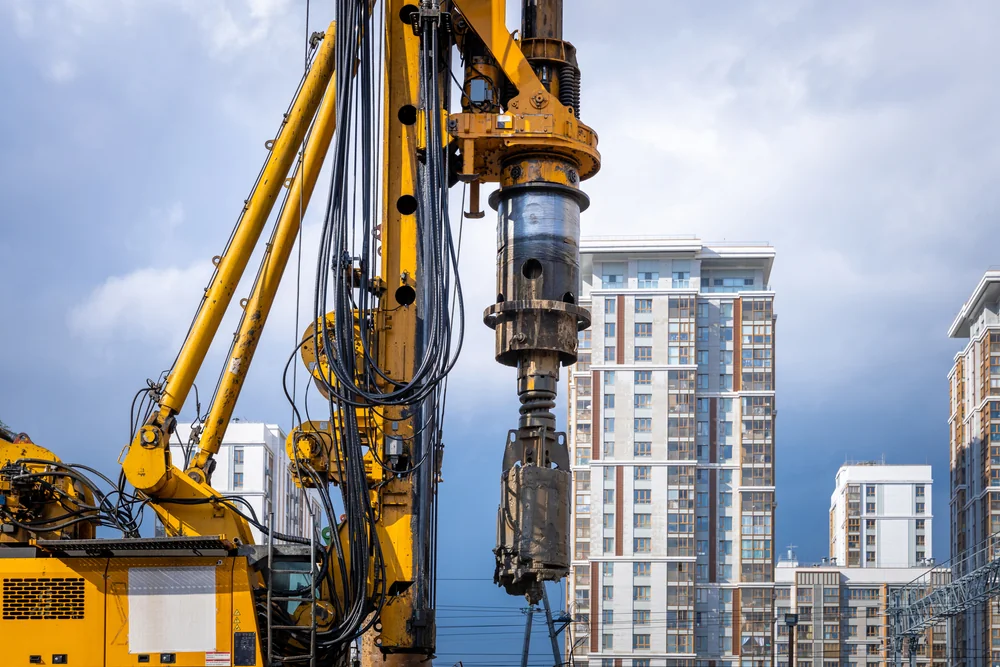
One of the most common uses of HDD is the installation of new underground services. The method allows long sections of pipe or conduit to be pulled through a pre-drilled bore, reducing the need for multiple excavation points and minimising disturbance to the surface.
HDD is commonly used to install:
Because the bore path can be steered, utilities can be installed at controlled depths beneath existing services. This helps reduce the risk of clashes with underground infrastructure and allows new services to be placed within tight easements or congested corridors.
HDD is especially valuable where open excavation would be disruptive, unsafe or difficult to manage. Instead of cutting through the surface, the drill enters and exits from controlled work areas positioned away from the main obstacle.
Common crossing locations include:
By drilling beneath these areas, HDD can reduce the need for road closures, river diversions, major reinstatement works or extensive traffic management. It also helps protect pavements, waterways and sensitive surface features when the bore is designed and managed correctly.
HDD can also be used when existing underground services need to be replaced, duplicated or upgraded. Rather than excavating along the full length of an old service, a new pipe or conduit can often be installed on a parallel or slightly adjusted alignment.
This approach is useful for:
In built-up areas, this can be a major advantage. New assets can often be threaded between existing services with less disruption to residents, businesses, traffic and surrounding infrastructure.
Planning the bore path is where an HDD project moves from a concept to a workable underground alignment. This stage determines how deep the bore will run, how it will avoid existing services and where the drill will enter and exit the ground.
Every decision at this stage can affect cost, timing, drilling difficulty and long-term utility performance. A well-planned bore path keeps the drill within safe bending limits, maintains suitable clearance from existing services and reduces unnecessary surface disruption.
Effective bore planning starts with understanding what is above and below ground. Survey data helps identify surface levels, property boundaries, easements, road reserves, footpaths, waterways, driveways and other physical constraints.
Underground service records are also reviewed to identify existing gas, water, sewer, stormwater, power and communication assets. These records help map likely conflicts and guide the early bore design.
Ground conditions are considered as well. Soft clay, sand, gravel, cobbles and rock all behave differently during drilling. Where available information is limited, geotechnical investigation may be needed to understand the risks before drilling begins.
Once site constraints are known, the bore path is designed as a controlled three-dimensional route from entry to exit. The alignment needs to respect the bend radius of the drill rods and product pipe so the pipe is not overstressed during installation or later service.
The bore is usually designed as a gradual curve rather than a sharp path. Depth is selected to provide suitable cover beneath roads, drains, pavements and existing utilities while still allowing the drill to be steered accurately.
In congested corridors, the path may need to move both vertically and horizontally to pass between existing assets. This is why early planning is so important. A minor change in depth or entry angle can significantly affect whether the bore can be drilled safely and successfully.
Entry and exit points are chosen to support the designed bore path and provide enough room for safe construction. Each location must allow space for the drill rig, support equipment, fluid tanks, pipe staging, truck access and safe movement around the site.
The entry point is usually selected where the drill rig can align with the planned bore direction and enter the ground at the correct angle. The entry angle needs to help the drill reach the required depth without creating excessive bending stress.
The exit point is also carefully planned. Ideally, it allows the product pipe or conduit to be laid out in a straight or gently curved line before pullback. This reduces handling difficulties, pipe stress and the risk of damage during installation.
Before drilling starts, underground services and site conditions must be checked carefully. This stage protects existing infrastructure, reduces the risk of service strikes and helps confirm whether the proposed HDD method is suitable for the location.
A thorough site check also informs equipment selection, bore depth, drilling fluid design and risk controls. It helps crews identify issues such as unstable ground, utility congestion, groundwater, restricted access or environmental sensitivities before work begins.
The first step is to identify all buried assets within and near the proposed drill corridor. This usually begins with utility plans and service records from asset owners. These records help show where existing services are likely to be located.
However, plans are not treated as exact. Critical conflict points need to be verified on site. Common methods include electronic locating, ground-penetrating radar and vacuum excavation, also known as potholing.
Potholing is often used directly above or beside marked utilities to confirm exact depth, position, material and alignment. This is particularly important where the bore passes close to high-risk services such as gas, electrical, water or communication infrastructure.
If the available clearance is not suitable, the bore path may need to be redesigned. This could involve changing depth, adjusting the alignment or coordinating with asset owners to manage the risk.
Ground conditions play a major role in HDD performance. Site assessment may include reviewing existing geotechnical reports, borehole logs, nearby project records or carrying out new testing where more information is needed.
Different materials create different drilling challenges. Soft clays may be easier to steer through but can swell or become unstable. Loose sands may need careful fluid control to support the bore. Gravels, cobbles and boulders can deflect the drill head or slow progress. Rock requires specialised tooling and closer monitoring of torque, pressure and wear.
Groundwater is another important factor. High groundwater or pressured ground conditions can increase the risk of fluid loss, instability around pits or drilling fluid returns at the surface. These risks influence the fluid mix, pressure limits and drilling approach.
The pilot hole is the first drilled path through the ground and forms the route that the final pipe or conduit will follow. Accuracy at this stage is critical because any error in the pilot bore can affect reaming, pullback and the final position of the installed utility.
This stage combines machine control, tracking technology, steering adjustments and close monitoring of ground response. The operator follows the planned bore profile while making gradual corrections as the drill head moves through the ground.
The drill rig is positioned at the entry point at the correct angle and alignment. This setup must match the bore plan because it determines how the drill enters the ground and reaches the planned depth.
The drill string is assembled section by section, beginning with a specialised drill head. Pilot hole tooling may include a slant-face bit, jetting assembly or other steerable tooling depending on the ground conditions. A transmitter housing is also commonly used to protect the locating equipment that tracks the drill head’s position underground.
Tool selection depends on the material being drilled. Soft clay, mixed ground, sand and rock may all require different tooling to achieve accurate steering and stable progress.
As drilling begins, the operator advances the drill string while rotating or orienting the drill head to follow the planned line and grade. Steering is usually achieved by positioning the angled face of the drill bit in the required direction and pushing forward without rotation.
A locator or guidance system tracks the drill head’s position, depth, pitch and roll. On shorter or shallower bores, a walkover locating system is often used, with a technician reading data from the surface. Longer, deeper or more complex crossings may require wireline or gyroscopic guidance for higher accuracy.
Tracking data is compared with the bore design throughout the pilot hole. If the drill begins to drift, corrections are made gradually. This avoids sharp bends that could create problems during reaming or damage the pipe during pullback.
Drilling fluid is circulated through the drill string and out through the drill head during the pilot hole. The fluid helps carry cuttings out of the bore, cools and lubricates the tooling and supports the borehole walls.
Operators monitor return flow, pressure, torque and rate of progress. Changes in drilling behaviour can indicate harder ground, voids, fluid loss or unexpected obstructions. In unstable soils, fluid properties or flow rates may be adjusted to help maintain bore stability.
Progress needs to be controlled carefully. Drilling too quickly can increase the risk of steering errors, fluid pressure issues or poor borehole condition. A steady, managed approach helps keep the pilot hole accurate and stable.
Once the pilot hole is complete, the bore usually needs to be enlarged before the product pipe can be installed. Reaming increases the diameter of the bore and conditions it so the pipe can be pulled through smoothly.
This is a critical stage because the bore needs to be large enough for the pipe, drilling fluid and cuttings to move without excessive friction. Poor reaming can increase pullback loads, damage the product pipe or create instability in the surrounding ground.
Reaming usually begins at the exit side. A reamer is attached to the drill string and pulled back through the pilot hole towards the drill rig. As it rotates, it cuts and enlarges the surrounding ground.
Drilling fluid is pumped through the reamer to help suspend and carry cuttings out of the bore. The fluid also helps stabilise the hole and reduce friction. Depending on the project, several reaming passes may be needed to gradually increase the bore diameter.
A staged approach is often safer than trying to enlarge the bore too quickly. It gives the crew more control over cuttings removal, fluid pressure and bore stability.
The reamer must be chosen to suit the pipe size, ground conditions and bore length. In general, the bore is reamed larger than the outside diameter of the product pipe so there is enough space for fluid movement and pipe installation.
The type of reamer also matters. Softer soils may use fly cutter-style reamers, while harder formations may require hole openers or more aggressive cutting tools. Sandy or mixed ground may use barrel or fluted reamers to help stabilise the bore and manage cuttings.
In mixed ground, where the drill may encounter both cobbles and finer material, a combination of tooling may be needed. Selecting the wrong reamer can increase torque, slow progress or create an uneven bore, so this choice is closely linked to the earlier site assessment.
Pullback is the stage where the product pipe or conduit is drawn through the completed bore. This is when the drilled path becomes a usable underground service route.
The success of this stage depends on bore condition, pipe preparation, fluid management and careful control of pulling forces. If the pipe is dragged, twisted, overstressed or pulled through an unstable bore, the finished installation may be compromised.
Before pullback begins, the product pipe is prepared behind the exit pit. Pipe sections are usually welded, fused or joined into one continuous length. Joints may be inspected, tested or coated depending on the pipe material and service type.
At the exit point, the pipe is connected to the drill string through a reamer and swivel assembly. The swivel is important because it allows pulling force to transfer to the pipe while preventing rotation from being passed into the product pipe. This helps protect joints, coatings and pipe integrity.
The pipe also needs to be aligned with the bore as smoothly as possible. Poor alignment can create side loading, increase drag and place unnecessary stress on the pipe during pullback.
As the drill rig pulls the pipe into the bore, drilling fluid continues to play a key role. It lubricates the pipe, reduces friction, supports the bore and helps move remaining cuttings away from the pipe path.
Pulling tension is monitored throughout the operation. The force must stay within the allowable limits for the pipe material, wall thickness and diameter. If loads increase too much, the crew may slow the pullback, increase fluid flow, pause the operation or carry out additional bore cleaning.
Pullback speed also needs to be controlled. Moving too quickly can increase stress on the pipe or disturb the bore, while moving too slowly can allow cuttings to settle and increase drag. A balanced, controlled pullback helps protect the pipe and achieve the planned installation.
During pullback, the product pipe is supported on rollers, skids or other protective supports to keep it off rough ground and reduce surface damage. Crews monitor the pipe as it moves to prevent kinks, impact damage or stress at joints.
As the leading end reaches the entry pit, the operator slows the pull and seats the pipe carefully into position. The installed pipe can then be checked for damage, grade, alignment and readiness for connection or testing.
For pressure services such as water or gas, further integrity testing may be required. For conduits, internal clearance may be checked before cables are installed.
Drilling fluid management is central to a successful HDD project. The fluid supports the bore, carries cuttings, cools tooling and reduces friction during drilling, reaming and pullback. If it is not managed properly, the project can face issues such as fluid loss, unstable ground, messy work areas or inadvertent returns at the surface.
Surface disruption also needs to be controlled throughout the job. Although HDD reduces the need for open trenching, work areas, entry and exit pits, access routes and staging zones still need to be planned and managed carefully.
Drilling fluid is typically made from water mixed with bentonite clay and, where required, selected additives. The exact mix depends on the ground conditions and the stage of the job.
In clays and sands, a bentonite-based fluid can help stabilise the bore and carry cuttings. In gravelly or cobbled ground, higher viscosity may be needed to keep larger particles suspended. In reactive clays, additives may be used to help manage swelling and improve bore stability.
Fluid properties are monitored and adjusted as conditions change. Operators may alter viscosity, flow rate or pressure based on return flow, ground behaviour and drilling performance. Clean water and proper mixing are important because poorly mixed fluid can reduce carrying capacity and affect bore stability.
Fluid returns and cuttings are collected at entry and exit pits or designated recovery areas. On larger projects, fluid may be screened, cleaned and reused to reduce waste and improve efficiency.
Containment is important for keeping the site tidy and protecting surrounding areas. This is especially relevant near stormwater drains, waterways, landscaped areas or sensitive environments. Crews need to prevent drilling fluid and cuttings from spreading beyond the controlled work zone.
If fluid returns appear in an unexpected location, the operation may need to pause while the cause is assessed. Adjustments can then be made to pressure, flow rate, drilling speed or bore design controls.
Although HDD reduces surface excavation, disturbance still occurs around entry and exit pits, equipment areas and access routes. Good planning places these areas where they have the least impact on driveways, footpaths, traffic, vegetation and nearby properties.
Ground protection mats or plates may be used where equipment needs to cross soft ground, landscaped areas or trafficked surfaces. Equipment layout can also help manage noise, dust, access and public safety.
Once drilling is complete, entry and exit pits are backfilled and compacted properly to reduce the risk of settlement. Pavements, verges, lawns and landscaped areas are reinstated to match the surrounding surface as closely as practical. Any remaining fluid residues or cuttings are removed so the finished site is safe, stable and presentable.
Final checks turn the completed bore and installed pipe into a verified, usable asset. This stage confirms that the line has been installed in the correct position, meets project requirements and is ready for connection, commissioning or handover.
This phase is important because problems such as leaks, poor grade, settlement or undocumented service locations can create issues long after the drilling crew has left the site.
Once the pipe or conduit is installed, its final location is checked against the approved design. Locating equipment or survey tools may be used to confirm depth and horizontal alignment, particularly near road crossings, utilities and other critical assets.
Testing depends on the type of installed service. Water and gas mains may require pressure testing to confirm there are no leaks. Electrical or communication conduits may be checked with a mandrel, pig or continuity test to confirm the internal path is clear and suitable for cable installation.
If any result falls outside the required tolerance, it may need engineering review before the asset is connected or put into service.
Site completion includes reinstating the work area and preparing the final project records. Entry and exit pits are backfilled in compacted layers using suitable material. Pavement cuts are reinstated to the required standard, and disturbed lawns, verges or landscaped areas are regraded and restored.
Temporary barriers, fencing, signage and access controls are removed once the area is safe for normal use. Any remaining spoil, drilling fluid or waste material is taken away from the site.
Handover documentation is then prepared. This may include as-built drawings, test certificates, photos, permits and close-out records. These documents give the asset owner a clear record of what was installed, where it is located and how it was verified. They also make future maintenance or nearby excavation safer and easier to manage.
A horizontal directional drilling project depends on much more than the drill rig itself. From early site assessments and utility verification through to pilot drilling, reaming, pullback and restoration, each stage must be planned and controlled to protect existing infrastructure and achieve the required installation.
When HDD is carried out properly, it can install underground utilities with less surface disruption, fewer reinstatement works and greater flexibility in complex locations. The best results come from accurate planning, suitable equipment, careful drilling fluid management and thorough final checks, ensuring the new utility performs as intended long after the project is complete.


